Streamlining warehouses across India
Rethinking warehouse structures with Delhivery.
TLDR;
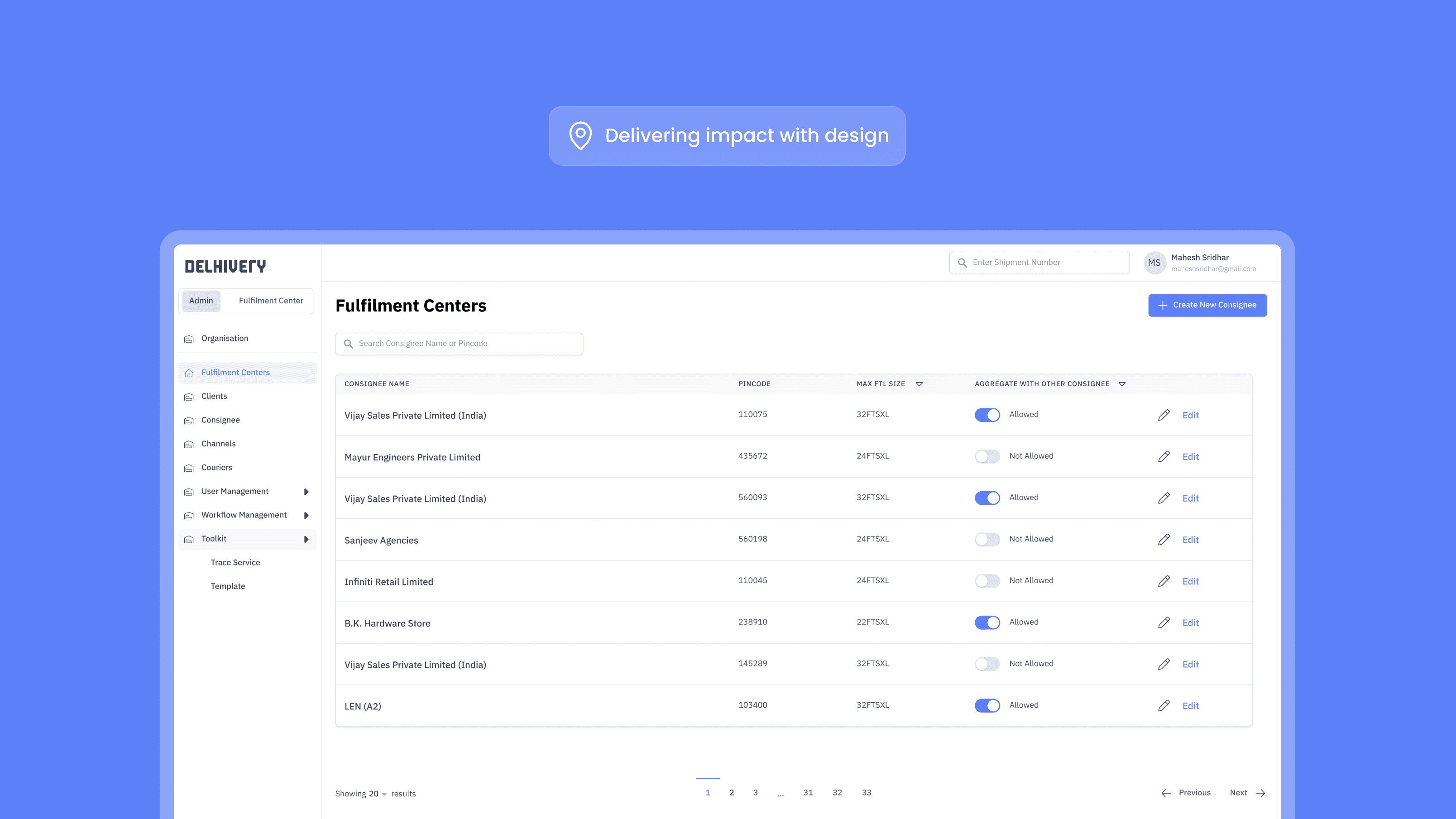
Godam, Delhivery's warehouse management system, had low adoption across 85+ fulfillment centers, workers had turned it into a passive record-keeping tool and built manual workarounds to get actual work done. As the lead designer, I drove a ground-up redesign starting with on-site research across warehouses in Bangalore, Chennai, and Haryana, mapping workflows and identifying three core blockers: low system adoption due to poor IA, lack of standardization across warehouses, and a PWA that failed in low-connectivity environments. The solution introduced role-based interfaces, an offline-first mobile experience with tap-friendly interactions, and modular redesigns that matched how work actually flows.
80%
improvement in
task execution workflow
2x
System adoption across
warehouse processes
TEAM
Nikhil R, Design Manager
Me, Product Designer
A team of 9 PM's, Designers and Engineers from Delhivery
MY ROLE
Individual Contributor, leading research and design for the V2 platform revamp
DURATION
13 months
(February 2022 - March 2023)
About DELHIVERY
Founded in 2011 and now India's largest fully-integrated logistics company, Delhivery moves millions of shipments daily across 85+ fulfillment centers, 29 automated sort centers, and over 18,700 pin codes. Since inception, they've shipped 2.8 billion parcels, serving everyone from e-commerce giants to FMCG enterprises.
The Problem
01
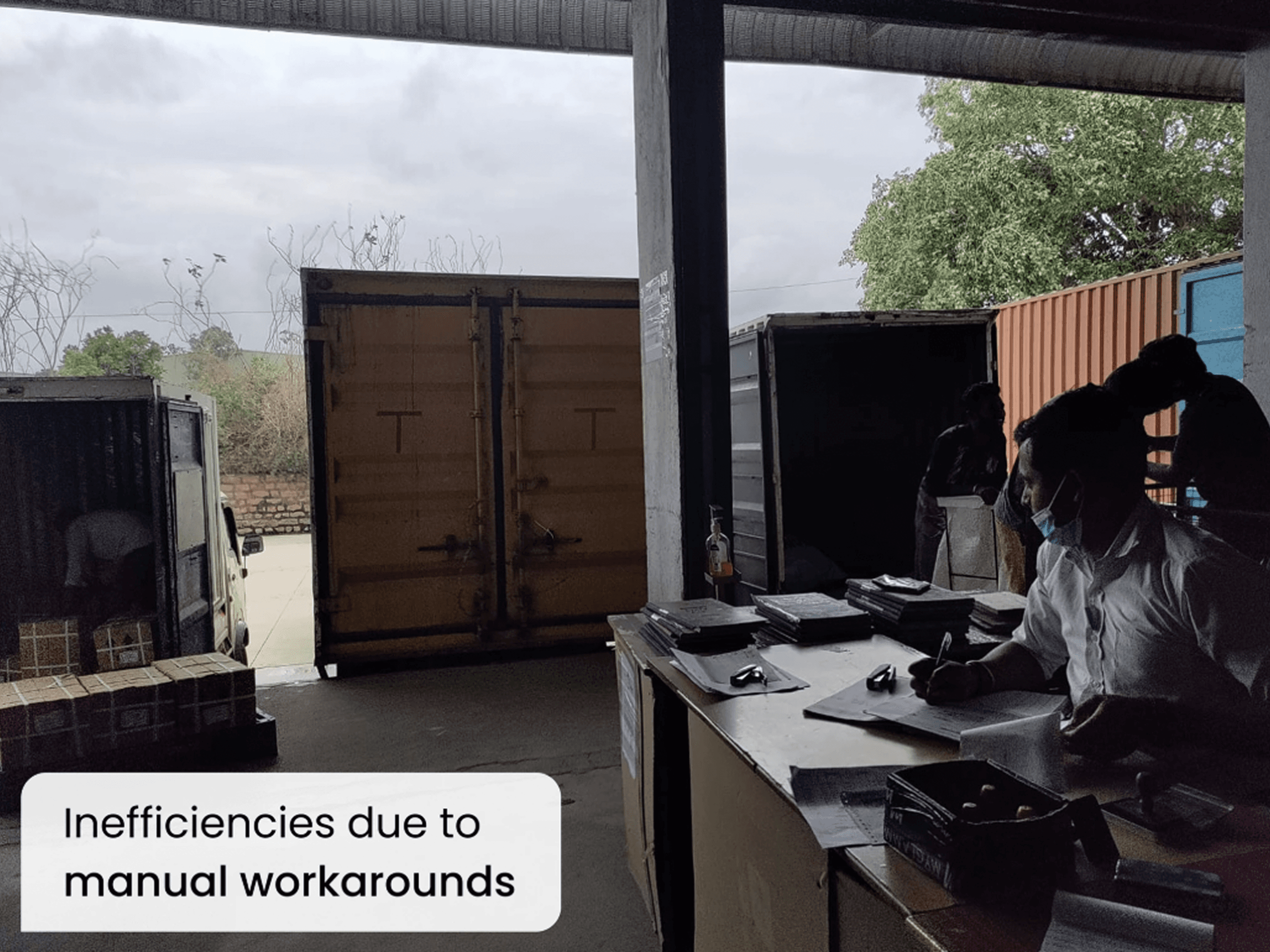
System abandoned in favor of workarounds
Workers across 85+ warehouses had stopped using Godam as an operational tool, relying on manual processes and notebooks instead, leading to errors and inefficiency.
02
No standardization across warehouses
Every location had developed its own habits, making training, scaling, and quality control inconsistent nationwide.
research and discovery
How might we turn the system into a workflow-first platform that scales across warehouses?
Warehouse visits
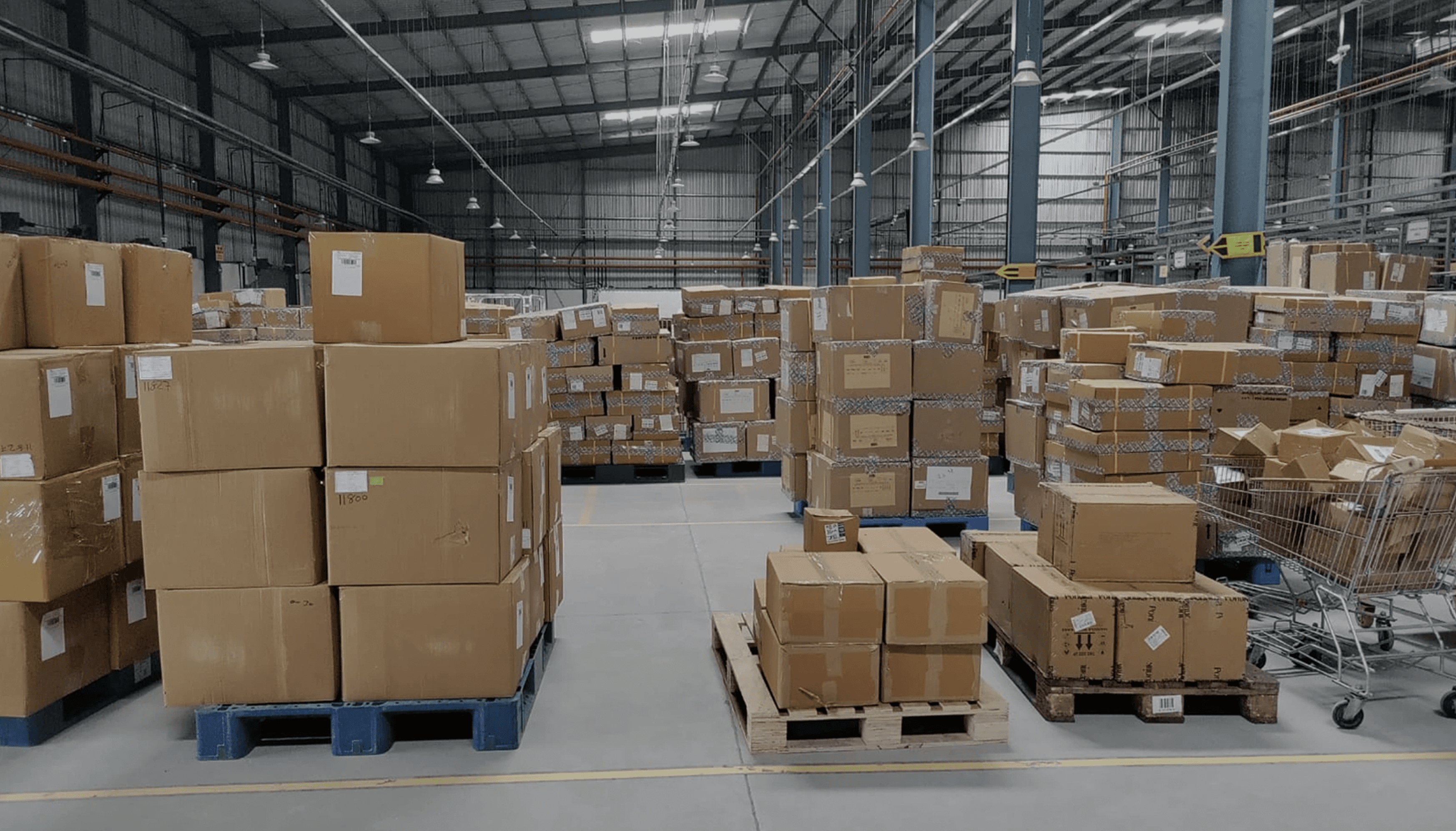
On-site research across Bangalore, Chennai & Haryana to see the work firsthand.
Worker interviews
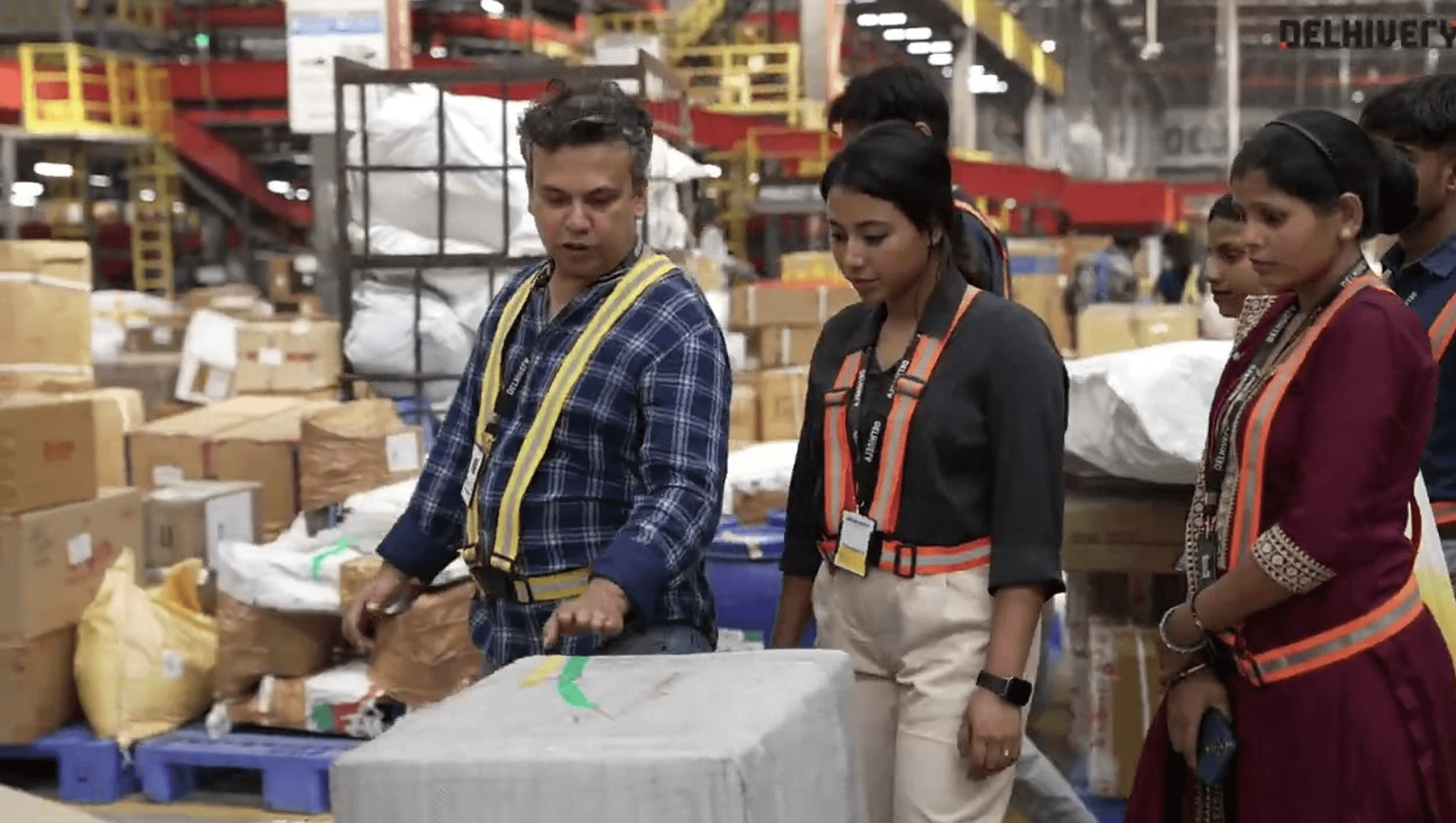
Spoke with field executives to understand why they stopped using the system.
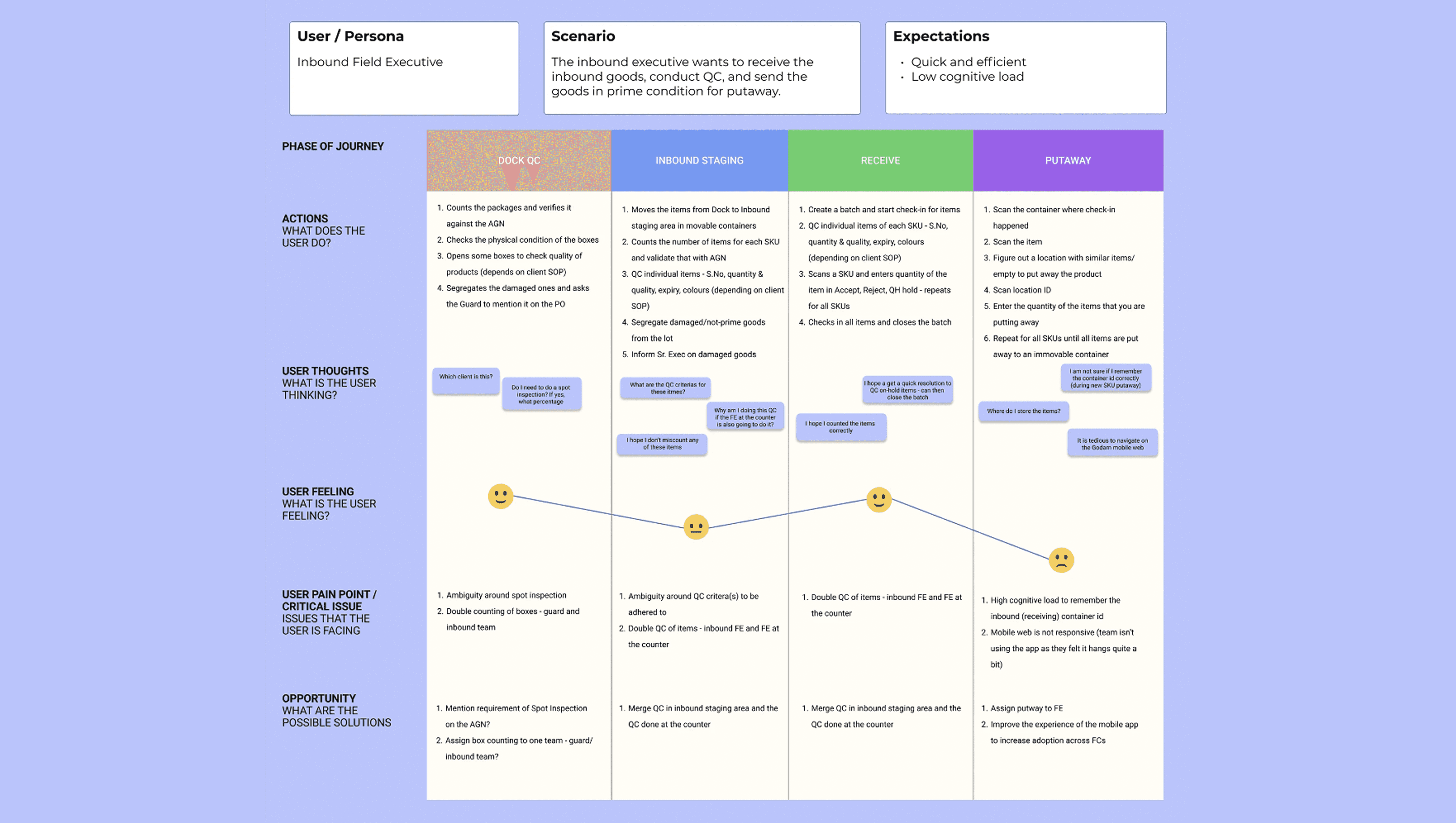
Workflow mapping
Mapped real workflows across roles to pinpoint exactly where the system broke down.
key challenges
🚩
Low adoption of the system
workers preferred manual workarounds, leading to inefficiency and errors.
🚩
Poor information architecture
caused delays in task completion and reduced productivity across shifts.
🚩
Lack of standardization
inconsistent workflows across warehouses made scaling and training difficult.

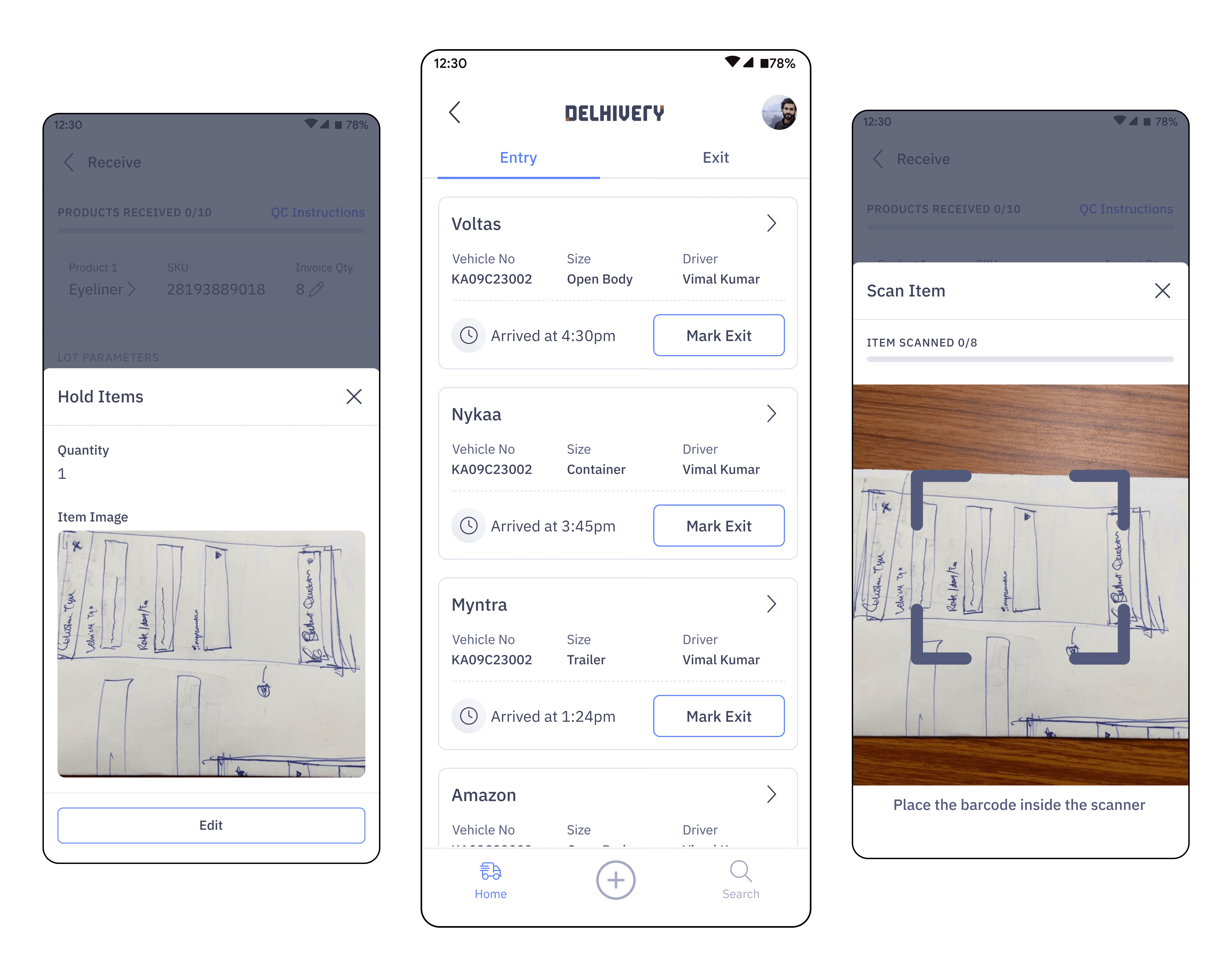
Offline-first mobile experience
⚠️
PWA failed in low/no internet so workers used notebooks
💡
Built offline-first mobile app with tap-friendly fields
✅
Led to faster workflows, fewer errors, higher adoption
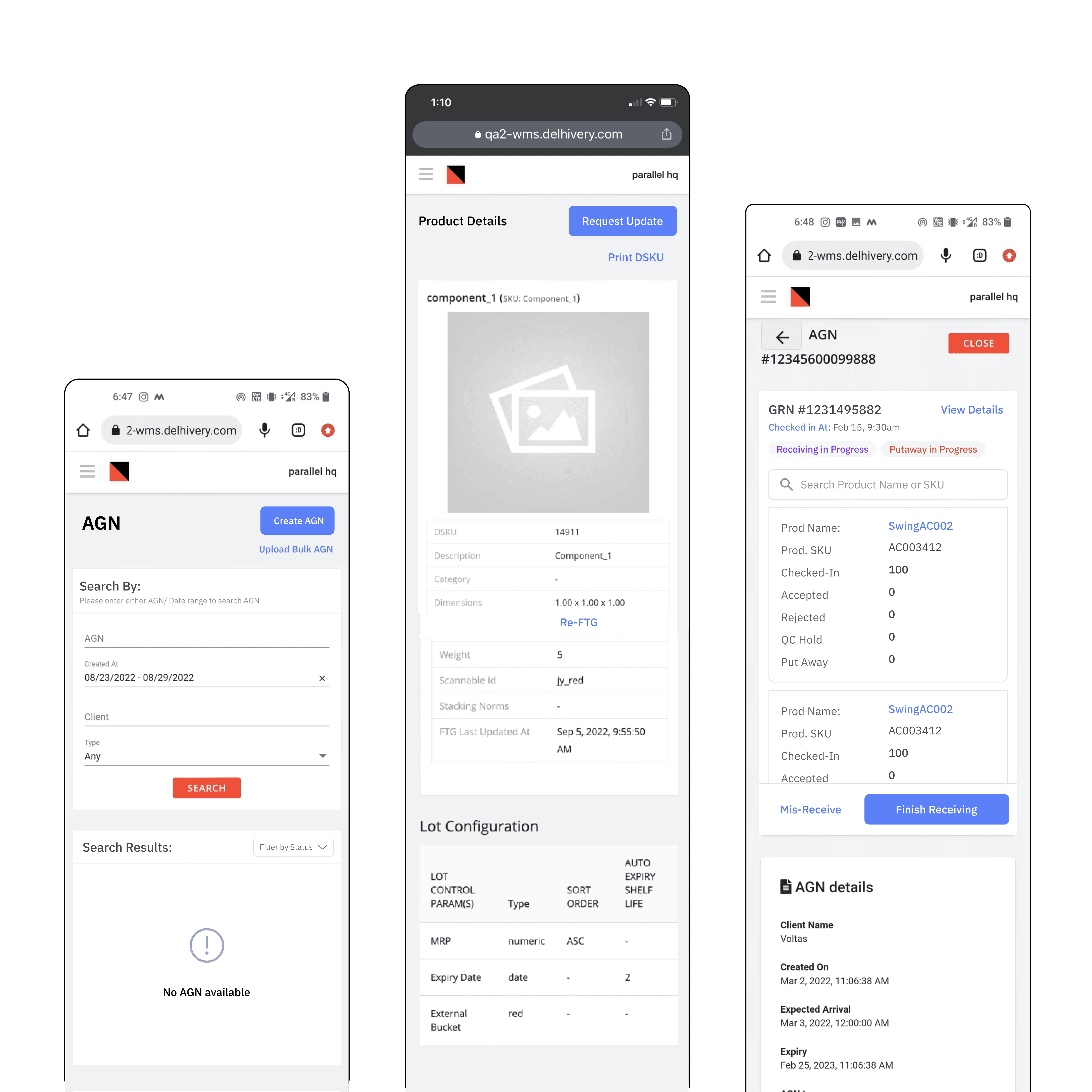
Improving the existing web experience
⚠️
Dedicated app required longer build cycle.
💡
Added stop-gap improvements: streamlined flows & better tap targets
✅
Led to slight usability boost, operations kept moving
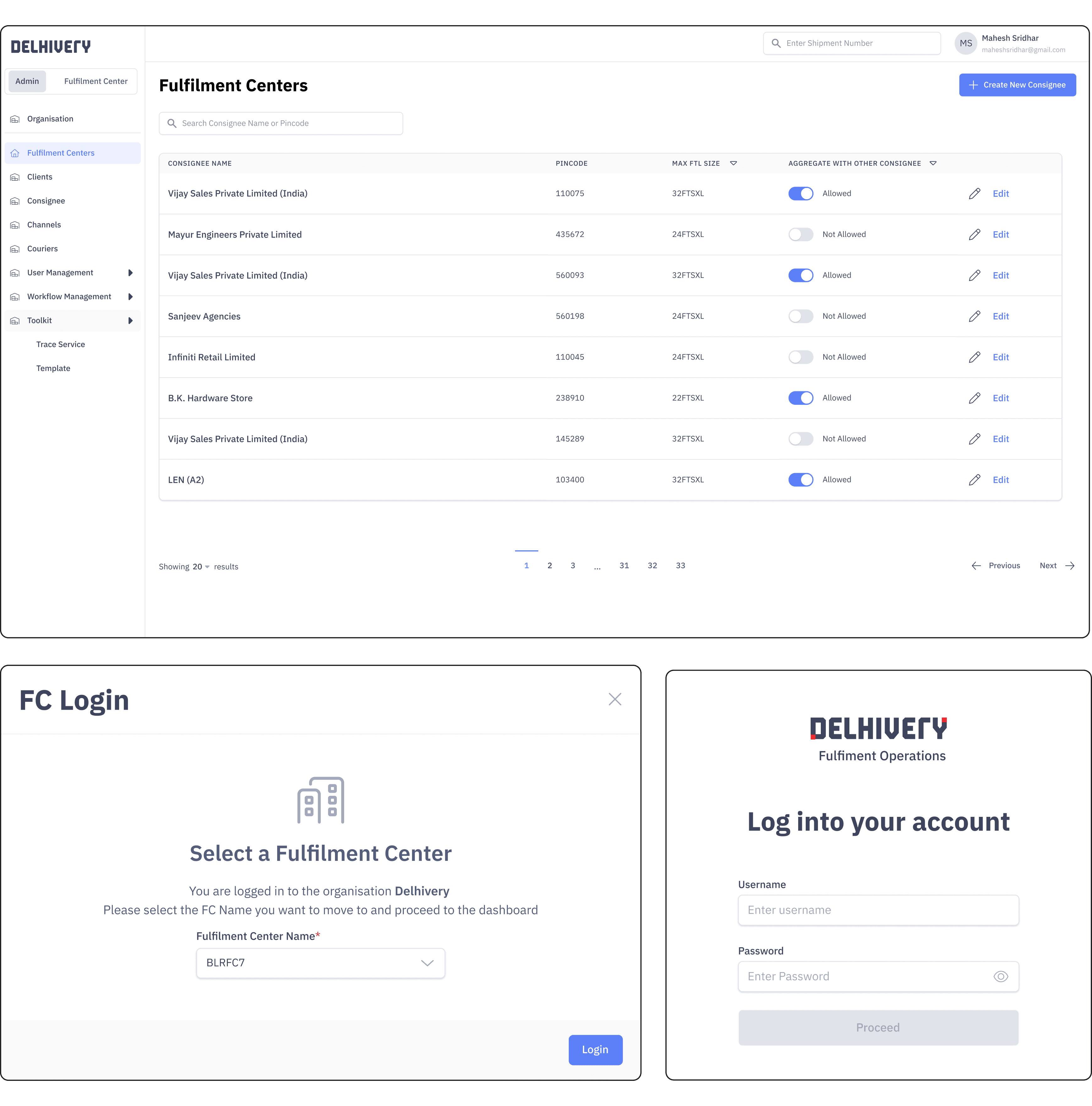
Role-based admin redesign
⚠️
Managers & on-ground workers shared interface
💡
Redesigned with role-based modules, clear sections
✅
Led to better oversight for execs, simpler workflows for workers, higher efficiency
Reflections & Learnings
✏️
Designing for Scale
Massive inventories and time-sensitive deliveries meant even the smallest UI or workflow optimizations had measurable impact.
✏️
Balancing flexibility & guardrails
We had to support messy, real-world scenarios without overcomplicating the system. We had to balance safety & speed.
✏️
Cross-Functional Collaboration
Working with PMs, devs, and warehouse teams ensured solutions were grounded prioritizing practical solutions over ideal ones.